


News
Chlorophyll: Benefits for a Healthy Gut

At a glance
Chlorophyll, the green pigment that fuels plant growth, offers notable benefits for digestive health. Its antioxidant and anti-inflammatory properties help support gut lining integrity, microbial balance, and immune defenses. Regularly eating chlorophyll-rich foods, such as leafy greens and herbs, helps maintain overall digestive comfort and supports a balanced intestinal environment.
Chlorophyll is a pigment that gives plants their green color. It’s also referred to as the blood of plants and plays a crucial role in the health and survival of green vegetation.
Increasingly more scientific evidence highlights impressive chlorophyll benefits for human health, including the potential to promote gut health.
Let’s look at natural chlorophyll sources and learn how to incorporate them into your wellness routine for optimal digestive support.
Chlorophyll is a pigment that gives plants their green color. It’s also referred to as the blood of plants and plays a crucial role in the health and survival of green vegetation.
Increasingly more scientific evidence highlights impressive chlorophyll benefits for human health, including the potential to promote gut health.
Let’s look at natural chlorophyll sources and learn how to incorporate them into your wellness routine for optimal digestive support.
5 chlorophyll benefits for your gut
Chlorophyll helps generate energy for plant growth and acts as an antioxidant that protects plant cells and membranes against damage from ultraviolet light and other environmental stressors.
These potent antioxidant properties may also benefit human digestive health by supporting the body’s ability to reduce oxidative stress and inflammation in the gut.
Here are five benefits of chlorophyll-rich foods for gut health and digestive function.
1. Promotes gut lining integrity
The intestinal lining comprises specialized cellular structures, known as tight junctions, that allow nutrients to enter while acting as a barrier to keep out harmful substances and pathogens.
However, food sensitivities, gut irritants, and infections can impair tight junctions and contribute to a leaky gut. This can cause an influx of potentially harmful substances into the body, which can lead to immune system activation, systemic inflammation, and malabsorption issues.
Research published in Frontiers in Physiology found that chlorophyll stimulates the release of proteins needed to maintain the integrity of tight junctions.
The authors of this study concluded, “Chlorophyllin could attenuate local inflammation and restore tight junctions and the integrity of the small intestine.”
2. May help reduce intestinal inflammation
The intestinal lining is particularly prone to inflammation as it comes into contact with various dietary components, allergens, environmental irritants, and infectious microbes.
Persistent intestinal inflammation can contribute to the development of chronic diseases, including Crohn’s disease and ulcerative colitis.
A study published in Gastrointestinal and Liver Physiology highlights that chlorophyll’s anti-inflammatory properties helped suppress intestinal inflammation and improved colitis symptoms in mice.
While the benefits of chlorophyll for managing intestinal inflammation have only been confirmed in animal studies, these findings suggest its potential to support gut health.
3. Supports a diverse gut microbiome
Chlorophyll-rich foods are prebiotics, meaning they provide nourishment for beneficial gut bacteria. This helps promote the growth and activity of probiotics, which are essential for a diverse gut microbiome and digestive health.
In addition, chlorophyll has detoxifying properties, as it can bind to and eliminate toxins. Reducing the body’s toxic load helps maintain a favorable environment for beneficial gut bacteria, which can be significantly impacted and even destroyed by various toxic compounds.
4. Strengthens intestinal immune defenses
The majority of your immune system resides in the gut, which is an important aspect as a healthy gut microbiome supports immune function and helps protect against harmful invaders.
Beneficial gut bacteria play a crucial role in regulating immune cell activity, supporting balanced inflammatory responses, and stimulating the production of protective antibodies.
“By promoting a diverse intestinal microflora, chlorophyll-rich foods promote optimal immune function and help strengthen the body’s defenses against invading microbes,”
5. Potential anti-ulcer effects
Evidence published in Molecules found that chlorophyll belongs to a group of alkaloids with potential anti-ulcer effects.
Alkaloids are believed to have antimicrobial properties that protect against harmful microbes, such as Helicobacter pylori, a type of bacteria linked to the development of gastric ulcers.
In addition, alkaloids like chlorophyll can stimulate mucus production in the gut lining, which supports the healing of ulcers and strengthens the integrity and resilience of the gastrointestinal tract.
What is chlorophyll?
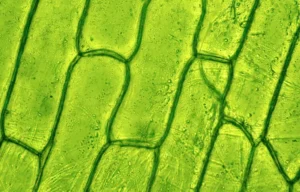
Chlorophyll is a bright green pigment responsible for the color of various plants, including trees, green vegetables, and certain types of green algae.
This compound plays a crucial role in photosynthesis, a biochemical process that converts light energy into chemical energy to enable plants’ growth and survival.
Chlorophyll has a ring-like structure with a magnesium ion at the center. This structure enables plants to absorb light for photosynthesis and serves as a potent antioxidant, protecting cells from oxidative damage.
In addition to the digestive health benefits of chlorophyll, this natural plant pigment has been linked to various other potential advantages, such as enhancing detoxification, promoting skin health, and supporting wound healing.
In addition, research published in Molecules suggests that chlorophyll intake has been linked to weight loss and a lower risk of iron deficiency anemia.
The best sources of chlorophyll
Chlorophyll is found in a wide range of green-colored plant foods, and regularly incorporating chlorophyll-rich foods into a balanced diet can support various aspects of health and well-being.
Foods high in chlorophyll
The best dietary sources of chlorophyll are green plant foods, including green leafy vegetables, sprouts, and certain herbs.
Here are some of the top green plants rich in chlorophyll:
- Wheatgrass sprouts
- Parsley
- Kale
- Broccoli
- Green beans
- Spinach
- Chard
- Arugula
- Alfalfa
- Leeks
Although wheatgrass is an exceptional source of chlorophyll, its fibrous texture and distinct grassy flavor make it less appealing for direct consumption. As a result, it’s often consumed as wheatgrass juice, offering a more palatable way to enjoy its health benefits.
Downsides of chlorophyll
Consuming excessive amounts of chlorophyll-rich foods can cause stool discoloration and trigger digestive issues in sensitive individuals.
Especially those with intestinal issues such as small intestinal bacterial overgrowth (SIBO) or an imbalanced gut microflora may experience diarrhea, cramping, and nausea when consuming chlorophyll-rich foods.
Many dietary sources of chlorophyll also contain gut irritants, including oxalates, lectins, and insoluble fiber, which can cause intestinal inflammation and associated digestive problems.
These potentially adverse effects of chlorophyll-rich foods can be mitigated by opting for green vegetables low in oxalates and lectins, such as zucchini, spinach, cucumber, lettuce, and green beans.
Key takeaways
- Chlorophyll acts as a potent antioxidant that helps protect cells and supports the body’s ability to manage oxidative stress in the digestive tract.
- It contributes to gut balance by promoting the growth of beneficial bacteria and aiding the body in managing inflammation.
- Including chlorophyll-rich foods, such as spinach, kale, and parsley, can help maintain intestinal strength and promote overall digestive health.
Sources
- https://www.ncbi.nlm.nih.gov/pmc/articles/PMC6288434/
- https://journals.physiology.org/doi/full/10.1152
- https://www.ncbi.nlm.nih.gov/pmc/articles/PMC6245425/
- https://www.ncbi.nlm.nih.gov/pmc/articles/PMC10384064/